



Our brands
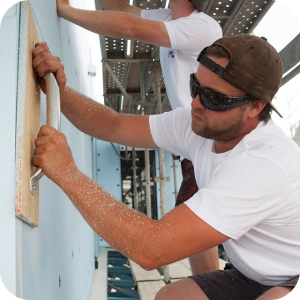
Empower Construction are the solid choice in lightweight cladding, with more than 10 years experience advising on, managing, supplying and installing all types of external cladding, facades and finishes. As independent specialists, Empower Construction works with a range of leading suppliers of construction materials. We have a thorough understanding of the characteristics and performance capability of each product and can advise on the best choice or mix of products to deliver the outcome you’re seeking.


Let us do the hardwork
We are external wall specialists
Custom solutions to suit your requirements.
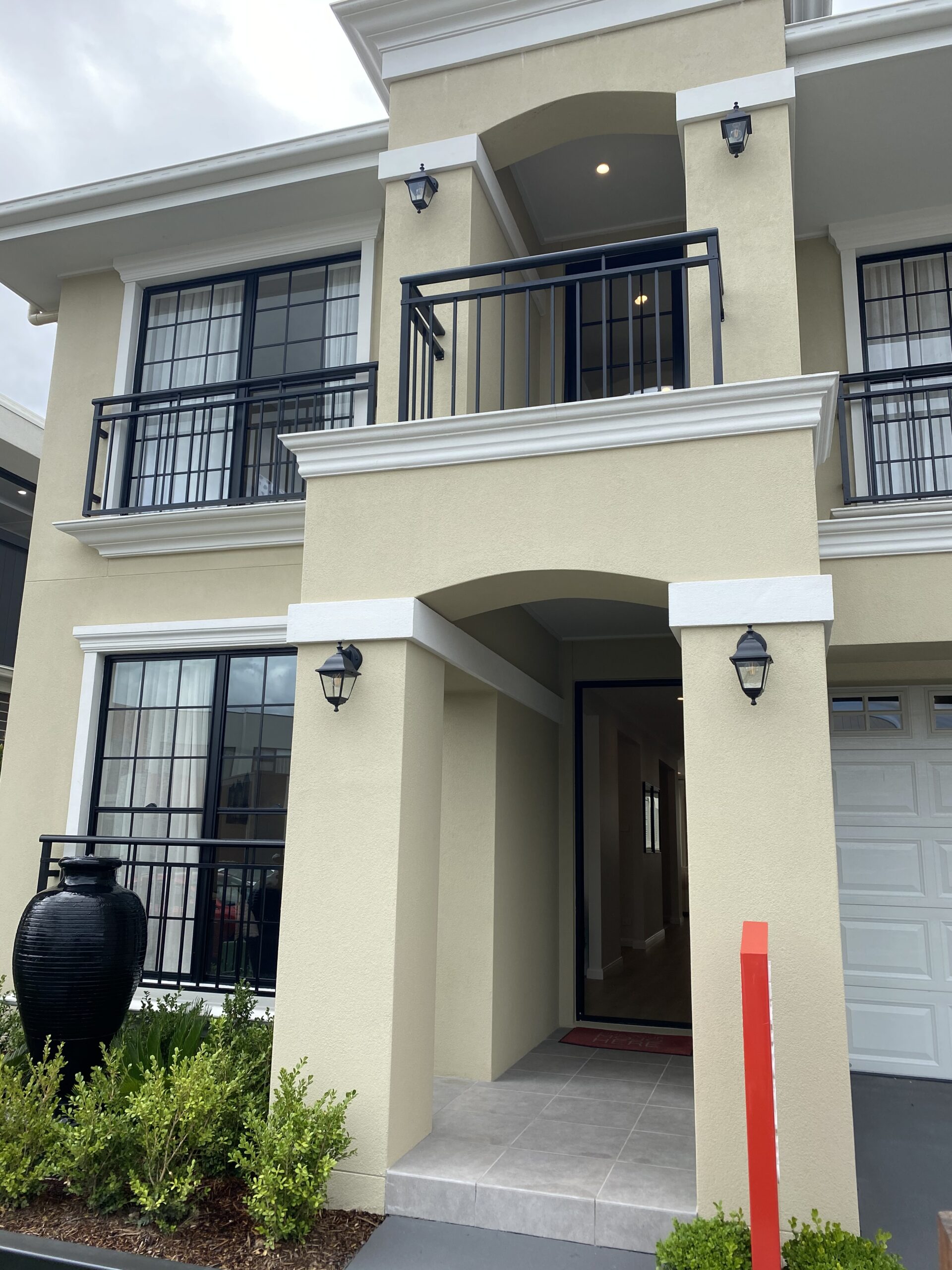
We provide a high quality range of customisable architectural moulds to suit all architectural styles and design trends. Some of the reputable brands we supply and install include Aerostone, Unitex, Dulux branded.
Many of our moulds are made from lightweight materials like Expanded Polystyrene (EPS), offering strength, durability & design flexibility.
To complete the look, we also provide professional painting services using premium brands such as Dulux, Haymes, and Taubmans for a flawless finish.
Different Types of Architecrual Moulds
Our case studies
Cladding installed
to complete
contructed

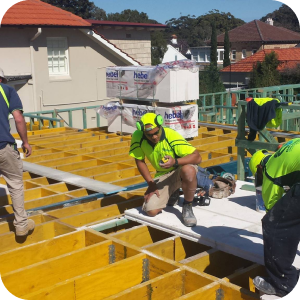
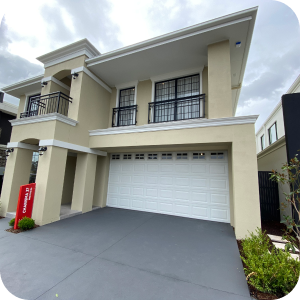
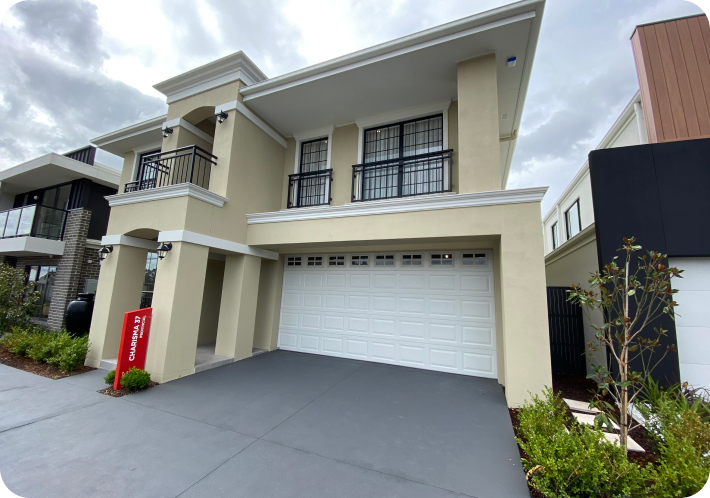
Empower Construction provided specialist knowledge in lightweight cladding and coatings for a project in Rouse Hill, Sydney, collaborating with the design team and project managers to ensure efficiency, delivering the project on time and exceeding standards, resulting in a satisfied client and homeowner.
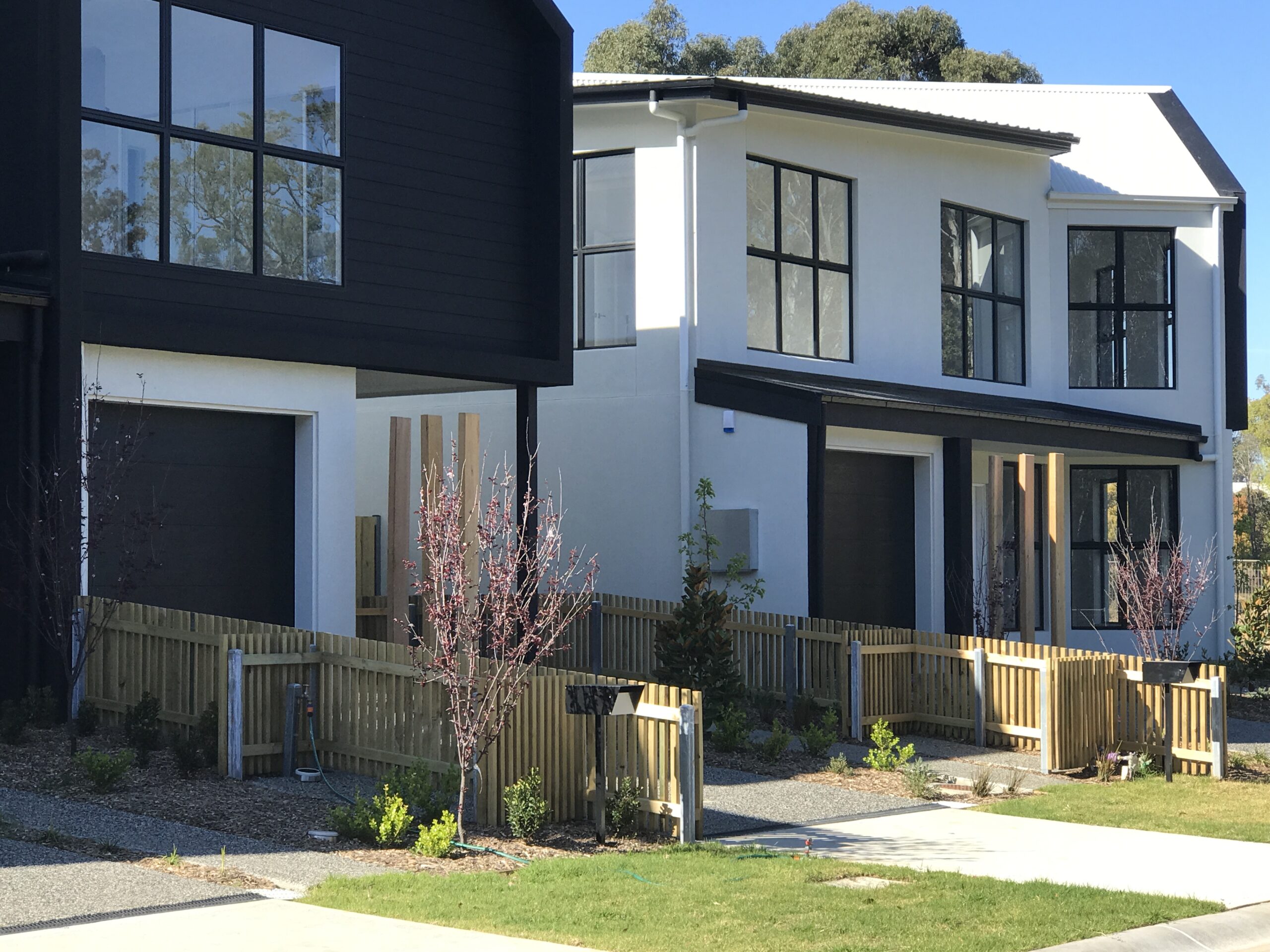
Hebel panels installed
to complete
constructed

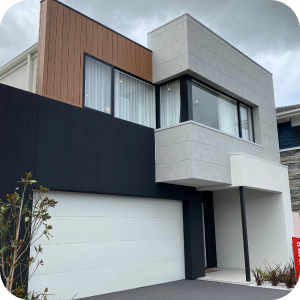
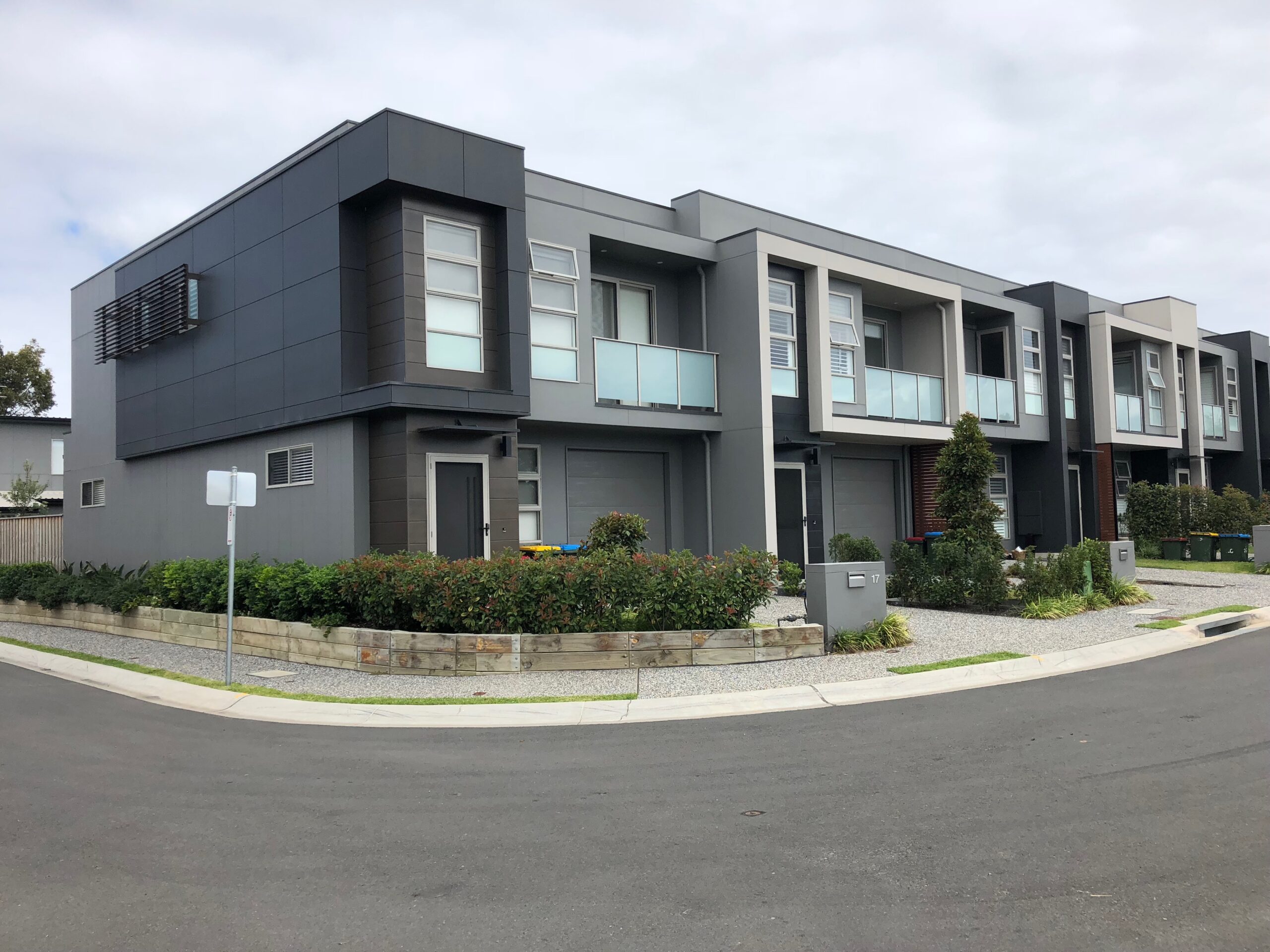
Empower Construction were engaged by Sunland Group to supply and install lightweight products at their architecturally designed Dahlia Residences.
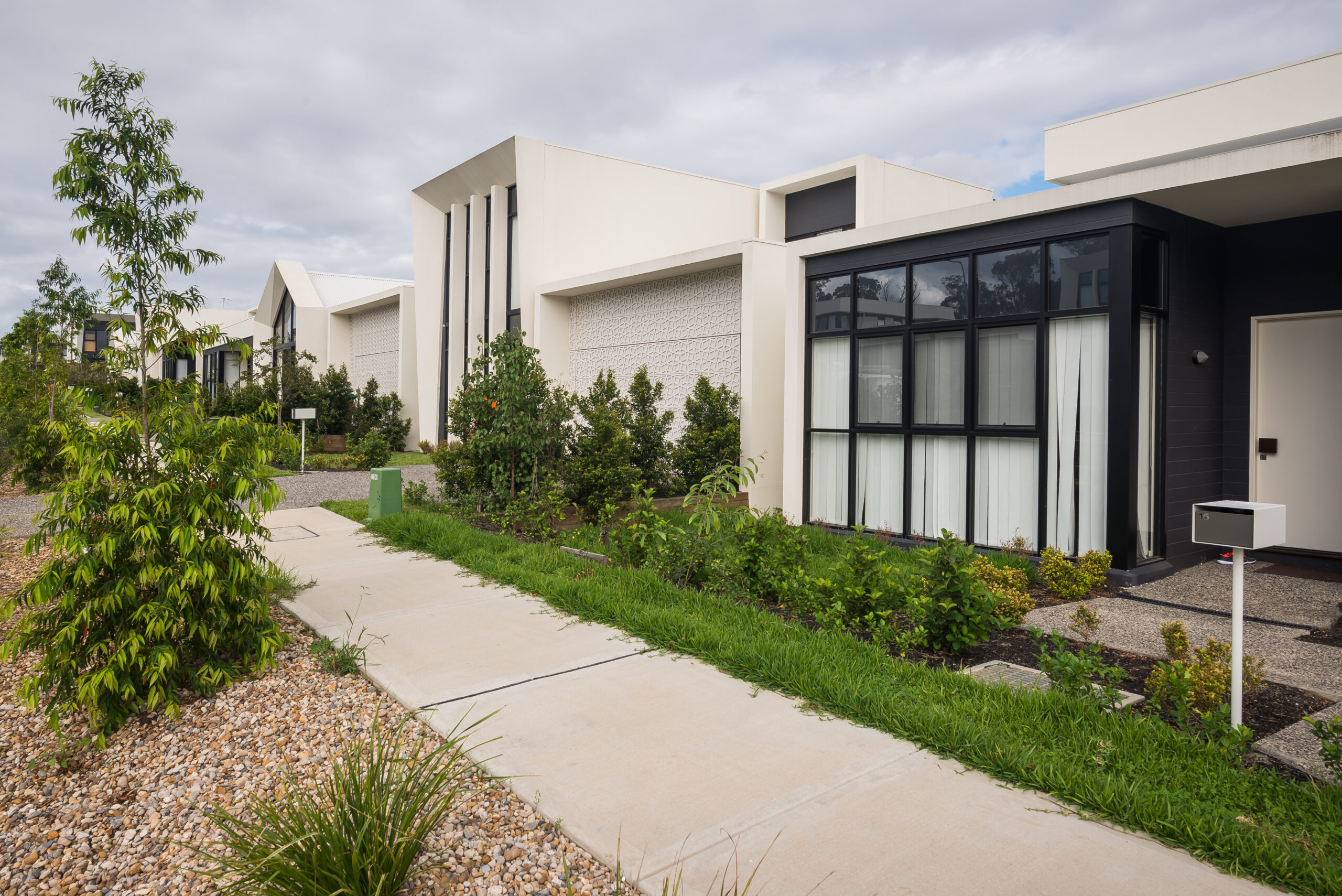
Hebel panels installed
constructed
to complete

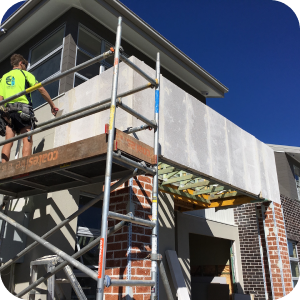
Empower Construction worked with CBD Core to complete internal and external walls using Hebel. The project took aprox 16 week to complete, installing Hebel at 65 residential apartments with a total project value $41m.
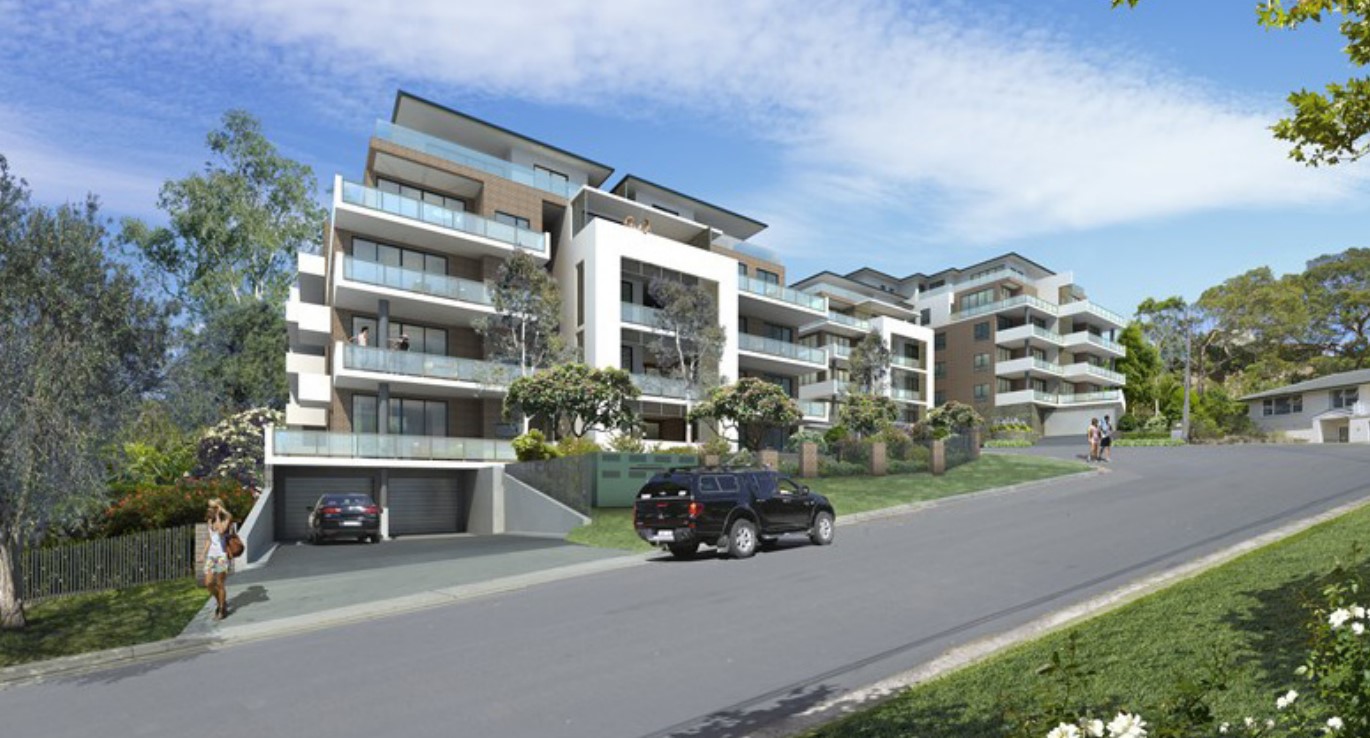
Apartments
Total Development Value
to complete

Testimonials
Types of Work
We are the solid choice in lightweight cladding, rendering, painting & more!
Frequently asked questions
Our most commonly asked question by our customers.
What is architectural moulding?
Architectural moulding is a decorative strip added to walls, ceilings, or, in the case of external architectural mouldings, around doors and windows.
This moulding can add style and character, but also prevent cracks or lines appearing in the paint over time as the building settles.
What is the purpose of moulding?
Moulding in architecture has two purposes—aesthetic and functional. Aesthetically, architectural design mouldings is a decorative element that adds character to rooms, doors, and windows.
Functionally, mouldings can conceal gaps or transitions between different materials, providing a more polished finish than a naked join.
Additionally, architectural mouldings interior can protect walls and corners from damage caused by furniture or foot traffic.
How is moulding done on walls?
In most cases, moulding is attached with nails, adhesive, or a combination of both. First, the wall is measured and the moulding cut to size, often at precise angles for corners.
Once in place, any gaps or nail holes are filled and painted to blend seamlessly with the wall. Depending on the style, this can be left plain, painted the same colour as the wall, or highlighted in a contrasting tone.
What is the difference between wall trim and moulding?
While these terms are often used interchangeably, wall trim and moulding have different roles. Trim is specific to a functional strip that covers joints or transitions, like baseboards and window surrounds.
Moulding, on the other hand, encompasses both functional and decorative elements, including elaborate crown moulding, chair rails, and wainscoting. Essentially, all moulding can be considered trim, but not all trim qualifies as moulding.
Which material is used for architectural moulds?
Traditional moulding options include wood, which can be either stained or painted, and MDF, a cost-effective alternative. For areas prone to moisture, like bathrooms, PVC and polyurethane mouldings are durable and resistant to water damage.
The decision will largely depend on where the moulding is being installed. For example, wood may be better suited for exterior architectural moulding.
At Empower Construction, we provide a high-quality range of customisable architectural moulds to suit all styles. Some of the reputable brands we supply and install include Aerostone, Unitex, Dulux branded.
Many of our moulds are made from lightweight materials like Expanded Polystyrene (EPS), a material that offers strength, and design flexibility.
What is colonial trim?
Colonial trim is a specific style of moulding that draws inspiration from early American colonial architecture.
Characterised by symmetrical designs and clean lines, colonial is often used for simple baseboards, door casings, and window surrounds.
Still have questions?
Can’t find the answer you’re looking for? Please chat to our friendly team.
Frequently asked questions
Our most commonly asked question by our customers.
A type of non-structural panel installed on a steel or timber frame. Often made of innovative materials, this cladding generally provides outstanding fire retardant, insulative and aesthetic properties.
Many people within the industry may never have heard of Hebel and want to know what is Hebel. Hebel is a strong and versatile high-performance building product made from Autoclaved Aerated Concrete (AAC for short) from CSR Hebel. Hebel can be used as a building material for a number of applications including houses, apartments and commercial buildings. It offers superb thermal insulation, fire resistance and acoustic comfort for the cold of Aussie winters and the heights of our summers.
Hebel can be used for walls, floors, fences, and more. More info: https://hebel.com.au/about/
Hebel provides outstanding results compared to traditional building products, When incorporated into a residential build, Hebel not only provides design versatility but achieves high BAL and acoustic ratings as well as achieving energy efficiencies for the homeowner.
Empower Construction has over 15 years of experience managing lightweight building projects for its clients across the East Coast of Australia. We are award-winning industry experts when it comes to Hebel installation, rendering, painting & more. Our knowledge and experience enable us to provide outstanding results for our clients while meeting timeframe and budgetary requirements.
Still have questions?
Can’t find the answer you’re looking for? Please chat to our friendly team.
Work with Empower Construction
We’ll work with you to understand your requirements, budget and timeline.
Discuss your requirements, talk to us today!
Contact information
- Address: Suite 601/ 2-8 Brookhollow avenue, Norwest 2153
- Phone: 1300 268 041 or +61 2 9676 3117
- NSW LIC: 229984C
- ABN: 55 129 883 156
Start your journey with Empower Construction today
With our years of experience and a diverse portfolio of successful projects, builders, we are at the top of the list for builders and architects when it comes to exceeding construction project objectives – we are the solid choice in lightweight cladding.
Frequently asked questions
Our most commonly asked question by our customers.
Architectural moulding is a decorative strip added to walls, ceilings, or, in the case of external architectural mouldings, around doors and windows. This moulding can add style and character, but also prevent cracks or lines appearing in the paint over time as the building settles.
Moulding in architecture has two purposes—aesthetic and functional. Aesthetically, architectural design mouldings is a decorative element that adds character to rooms, doors, and windows.
Functionally, mouldings can conceal gaps or transitions between different materials, providing a more polished finish than a naked join.
Additionally, architectural mouldings interior can protect walls and corners from damage caused by furniture or foot traffic.
In most cases, moulding is attached with nails, adhesive, or a combination of both.
First, the wall is measured and the moulding cut to size, often at precise angles for corners.
Once in place, any gaps or nail holes are filled and painted to blend seamlessly with the wall.
Depending on the style, this can be left plain, painted the same colour as the wall, or highlighted in a contrasting tone.
While these terms are often used interchangeably, wall trim and moulding have different roles.
Trim is specific to a functional strip that covers joints or transitions, like baseboards and window surrounds.
Moulding, on the other hand, encompasses both functional and decorative elements, including elaborate crown moulding, chair rails, and wainscoting.
Essentially, all moulding can be considered trim, but not all trim qualifies as moulding.
Traditional moulding options include wood, which can be either stained or painted, and MDF, a cost-effective alternative. For areas prone to moisture, like bathrooms, PVC and polyurethane mouldings are durable and resistant to water damage.
The decision will largely depend on where the moulding is being installed. For example, wood may be better suited for exterior architectural moulding.
At Empower Construction, we provide a high-quality range of customisable architectural moulds to suit all styles. Some of the reputable brands we supply and install include Aerostone, Unitex, Dulux branded.
Many of our moulds are made from lightweight materials like Expanded Polystyrene (EPS), a material that offers strength, and design flexibility.
Colonial trim is a specific style of moulding that draws inspiration from early American colonial architecture.
Characterised by symmetrical designs and clean lines, colonial is often used for simple baseboards, door casings, and window surrounds.
Still have questions?
Can’t find the answer you’re looking for? Please chat to our friendly team.